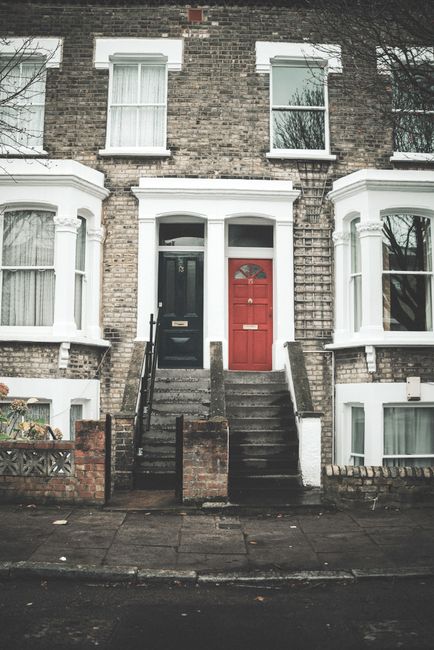
Access Problems for Victorian Homes in Haringey: Cleaning Solutions That Actually Work
Victorian homes in Haringey are full of character, but let's be honest, they can also be awkward. Narrow staircases, split levels, tight hallways, steep basements, awkward rear access, and old-front-door latch systems all make cleaning harder than it should be. If you have ever tried to move a vacuum, carpet machine, sofa, or ladder through a narrow terrace in the middle of a wet London afternoon, you already know the feeling.
This guide breaks down access problems for Victorian homes in Haringey cleaning solutions in a practical, human way. You will learn what usually causes access issues, how professional cleaners work around them, what to expect on the day, and how to avoid the mistakes that waste time and add stress. We will also cover safety, best practice, and the kinds of services that suit older homes best, from deep cleaning and domestic cleaning to window cleaning and carpet cleaning.
If you live in a Victorian property in Haringey, or manage one for tenants or family members, this is the kind of planning that saves time, avoids damage, and makes the whole job feel much calmer. Not glamorous, maybe. Very useful, definitely.
- Why access problems matter in Victorian homes
- How cleaning solutions work around access issues
- Key benefits and practical advantages
- Who needs this and when it makes sense
- Step-by-step guidance
- Expert tips for better results
- Common mistakes to avoid
- Tools, resources and recommendations
- Law, compliance, standards and best practice
- Options, methods, and comparison table
- Case study or real-world example
- Practical checklist
- Conclusion
- Frequently asked questions
Why Access Problems for Victorian Homes in Haringey Cleaning Solutions Matters
Access issues are not just a mild inconvenience. In older Victorian homes, they can shape the entire cleaning plan. A staircase that is too narrow for a standard carpet machine, a landing with a sharp turn, or a flat with no lift can turn a simple visit into a bit of a puzzle. That puzzle matters because cleaning is not only about removing dirt; it is also about protecting the building, the fixtures, and the people working inside it.
In Haringey, many Victorian properties were built long before today's furniture sizes, vacuum systems, and portable steam equipment. That means a cleaner often has to think ahead: where to park, which entrance to use, what equipment can be carried safely, and whether a job should be split into smaller stages. The difference between a smooth visit and a frustrating one is usually planning.
There is also a trust angle here. When a cleaning company understands access constraints, it shows they understand older homes properly. That matters if you are booking a one-off visit, an end-of-tenancy clean, or a recurring domestic clean in a property that seems to have been designed by someone with very short corridors and very long furniture. Why make life harder than it needs to be?
Good access planning also helps reduce the risk of scuffed skirting boards, chipped paint, damaged banisters, or wet equipment being dragged through communal areas. Small things, yes. But in a Victorian house, those small things are often the expensive things.
Expert summary: For older Haringey homes, the best cleaning outcome usually comes from matching the service to the access, not forcing the access to fit the service. That simple shift prevents damage, delays, and a lot of unnecessary faff.
How Access Problems for Victorian Homes in Haringey Cleaning Solutions Works
The practical solution is usually a combination of assessment, equipment choice, and sequencing. A cleaner does not just arrive and hope for the best. Ideally, they ask a few questions first: Is there street parking nearby? Are there internal stairs? Is the property split over multiple floors? Is the rear entrance usable? Can equipment be brought in through the front door without turning the hallway into a traffic jam?
Once those basics are clear, the cleaning plan can be adjusted. That might mean using lighter machines, bringing in modular tools, or choosing a method that uses less water and less movement through the house. In some cases, it means working room by room rather than trying to push through the whole property in one go. In others, it means focusing on high-need areas first, like carpets, ovens, or bathrooms, where access is tight but results matter most.
For example, a Victorian terrace with steep stairs and a cramped first-floor landing may suit portable equipment far better than a bulky, heavy system. A property with rear access through a narrow yard may need careful planning so waste water, vacuum hoses, or upholstery tools do not have to be carried through the main rooms. Simple, practical stuff - but it changes the whole experience.
If the job involves carpets, upholstery, or deep cleaning, access also affects drying time and how easily air can circulate after the work is done. A home with thick curtains, closed windows, and little cross-ventilation may need extra time or a different approach. That is the sort of detail a good cleaning company should notice before the work starts, not after.
Some homeowners also combine access planning with other services such as one-off cleaning, oven cleaning, or upholstery cleaning so the visit is efficient. If the cleaner is already on site, it makes sense to prioritise the tasks that would be most awkward to repeat later.
Key Benefits and Practical Advantages
When access problems are handled properly, the benefits are immediate. The job starts on time, the team moves safely, and the results are usually better because the cleaner can focus on the actual cleaning rather than improvising every five minutes.
- Less risk of damage: Tight stairwells and fragile plasterwork need careful handling. Planning reduces knocks and scuffs.
- Faster completion: When equipment choices match the property, the team wastes less time moving gear around.
- Better results: Portable, targeted methods often perform better in older homes than oversized systems forced into awkward spaces.
- Less disruption: Neighbours, tenants, and family members are not stuck dealing with unnecessary clutter.
- Clearer expectations: You know what can be done in one visit and what may need a second pass.
There is another benefit people sometimes overlook: peace of mind. A lot of stress comes from uncertainty. If you know the team has already considered parking, carrying routes, and stair access, the visit feels under control. That alone is worth something.
For landlords and managing agents, the advantages are even more obvious. Access-aware cleaning is easier to schedule around tenants, easier to document, and easier to repeat when a property changes hands. If you need a deeper reset before new occupants move in, services like end of tenancy cleaning can be a sensible fit for Victorian homes with tricky layouts.
Who This Is For and When It Makes Sense
This topic is relevant if your Victorian property in Haringey has one or more of the following:
- steep internal stairs
- narrow hallways or landings
- split-level rooms or basement access
- limited parking close to the entrance
- shared communal access
- awkward rear entry through a garden or side passage
- delicate interiors that need extra care
It also makes sense for people who do not want to take a gamble with a standard cleaning setup. If you have had a cleaner arrive with gear that simply would not fit upstairs, you already know the frustration. To be fair, it happens more often than it should.
The main groups who benefit are:
- Homeowners who want regular help without damaging original features.
- Tenants trying to get a property ready for inspection or move-out.
- Landlords preparing older homes between lets.
- Families managing busy homes where access makes cleaning more difficult than normal.
- Anyone booking a specialist clean for carpets, ovens, floors, or upholstery in a tight property.
If the home has a mix of old features and modern use - which most do, frankly - then access-aware cleaning is usually the right approach, not the luxury option.
Step-by-Step Guidance
Here is the practical sequence that works best in real life.
- Map the access. Note front door width, stair turns, back passage access, parking, and any shared entry points.
- Flag fragile features. Mention painted banisters, original tiles, narrow cornices, old woodwork, and anything that can chip or scratch easily.
- Match the service to the route. A bulky approach is rarely ideal for Victorian terraces. Portable methods usually make more sense.
- Clear movement space. Move shoes, toys, laundry baskets, and loose clutter out of the path before the cleaner arrives.
- Decide the priority rooms. In tight homes, it helps to clean the most important rooms first while access is easiest.
- Set drying and ventilation plans. Open windows where possible and allow enough time for fabrics and floors to settle.
- Walk through the result. Check stair edges, door frames, corners, and high-touch surfaces before everyone leaves.
A small note from experience: if the property is especially tight, tell the cleaner where not to step or place equipment. It sounds obvious, but it saves awkward moments. One simple "please avoid the left-hand banister" can prevent a costly mistake.
For homes with mixed floor types, you may also need combined services such as hard floor cleaning and carpet cleaning. That way the cleaner can move through the house in a logical order instead of bouncing between surfaces and creating extra wear on the access routes.
Expert Tips for Better Results
These are the kinds of things that make an old-house clean go from "fine" to "properly good".
- Measure awkward spaces before booking. If a machine needs to fit through a doorway or turn on a landing, rough estimates are not enough.
- Choose lighter equipment where possible. Portable kit is often more effective in Victorian homes because it is easier to move safely.
- Use targeted cleaning zones. Focusing on one floor at a time keeps the route clear and reduces backtracking.
- Plan around weather. Wet shoes, damp steps, and muddy access paths are a real issue in London. A rainy Tuesday can change everything.
- Keep delicate items out of the way. Hall tables, mirrors, and old ceramics should not be sitting near an active cleaning route.
- Ask for a pre-clean note. A quick message confirming stair access, parking, and entry points saves a lot of guesswork.
One more thing: Victorian homes often have hidden dust traps - behind radiators, on skirting edges, and around window reveals. A careful cleaner will know this, but it helps if you mention any rooms that gather dust faster than others. Old buildings have opinions, apparently.
If your home has a lot of soft furnishings, combining the visit with sofa cleaning or rug cleaning can be efficient, as long as the access route can handle the equipment and the drying plan is realistic.
Common Mistakes to Avoid
Most access problems become worse when people assume the cleaner will "just manage". Sometimes they will. Sometimes they will manage, but badly. Better to avoid that.
- Not mentioning the stairs or hallway width. This is the big one. It changes equipment choice and time planning.
- Leaving clutter in the access path. Even a tidy-looking home can have one corridor that becomes a bottleneck.
- Assuming all cleaners bring the same kit. They do not, and older homes need the right kit more than most.
- Booking a full-house clean without discussing entry points. That can lead to delays before the job even starts.
- Ignoring drying time. In narrow, low-airflow homes, rushed drying can create damp smells or patchy finishes.
- Forgetting communal areas. If you live in a converted building, shared hallways and stairwells need care too.
One tiny but common oversight: people often focus on the front door and forget the route inside. The front door may be fine, then the cleaner meets a staircase that twists like a corkscrew. That is where access planning earns its keep.
And yes, saying "it's only a quick clean" can backfire. Victorian homes rarely do "quick" neatly.
Tools, Resources and Recommendations
You do not need specialist jargon to make better decisions here. A few simple tools and habits go a long way.
- Measuring tape: Handy for door widths, stair landings, and awkward alcoves.
- Phone photos: Quick pictures of the entrance, stairs, and parking area help explain the layout.
- Room-by-room notes: Especially useful if different floors need different treatments.
- Cleaning caddy or kit bag: Helps keep essentials together if items need to be moved between floors.
- Ventilation check: Openable windows and airflow matter more than people think.
From a service perspective, the most useful options for Victorian homes with access issues are usually those that can be handled in a flexible, portable way. That often includes house cleaning, home cleaners, and cleaners who can adapt to the building rather than forcing a one-size-fits-all setup.
If the property needs a broader reset, a trusted cleaning company may also be a better fit than a rushed one-off arrangement, especially if the building has several floors or a mixed-use layout.
Law, Compliance, Standards and Best Practice
For cleaning in older homes, the main point is not to overcomplicate the legal side, but to work safely and sensibly. In the UK, professional cleaners are generally expected to follow good health and safety practice, use equipment properly, and avoid exposing people or property to unnecessary risk. For homeowners, landlords, and agents, that usually means asking about insurance, safe working methods, and the handling of fragile surfaces.
In a Victorian property, best practice usually includes:
- clear communication about access routes and hazards
- safe lifting and carrying of equipment
- careful handling of old woodwork, plaster, and glazed tiles
- attention to slips, trips, and wet-floor risks
- appropriate ventilation where cleaning products are used
If you want to understand how a provider approaches risk and responsibility, it is sensible to review pages such as health and safety policy, insurance and safety, and accessibility statement. These are not just formalities. They tell you whether the company is thinking carefully about practical access and customer experience.
For payment and booking confidence, you may also want to look at payment and security, terms and conditions, and privacy policy. Clear admin usually means clearer service. No mystery boxes, which is nice for once.
Options, Methods, or Comparison Table
Different access problems call for different cleaning approaches. Here is a straightforward comparison to help you think it through.
| Method | Best for | Strengths | Watch-outs |
|---|---|---|---|
| Portable domestic cleaning | Regular cleaning in narrow Victorian homes | Flexible, easy to move, low disruption | May take longer for large jobs |
| Deep cleaning | Properties needing a full reset | Thorough, good for dust-heavy older interiors | Needs strong planning for access and timing |
| Specialist carpet cleaning | Stairs, landings, and worn carpets | Targets high-traffic areas | Drying and machine size matter a lot |
| One-off cleaning | After events, before guests, or seasonal refreshes | Good for burst cleaning needs | Can be harder to schedule in busy periods |
| After builders cleaning | Victorian homes after refurbishments or repairs | Handles dust, residue, and awkward post-work mess | Access may be harder if works are not fully finished |
If your Victorian home has just had work done, after builders cleaning can be especially helpful because construction dust has a way of getting everywhere. Absolutely everywhere. You may think it has settled, then open a cupboard and find a fine film on the shelf. Lovely stuff.
Case Study or Real-World Example
Here is a realistic example based on the kind of access challenges people often face in Haringey.
A Victorian terraced house had three floors, a narrow front hallway, and a steep staircase with a tight turn at the first landing. The owners wanted a full clean before family visitors arrived. The main issue was not the dirt itself; it was getting equipment upstairs without scraping the walls or blocking the only usable corridor.
The solution was simple but effective. The cleaner started by mapping the route, then used lighter equipment for upstairs rooms and worked from the top floor down. Carpets were handled first while the stairs were clear. The hallway was left until last, so dirt from higher levels was not carried back through clean areas. The owners also cleared loose items from the landing the night before, which made a bigger difference than they expected.
The result was a calm, efficient visit with no damage to paintwork or banisters. More importantly, the family did not spend the day shuffling furniture around or worrying about where things were being carried. That matters in real life. It really does.
In homes like this, the best outcome is rarely about brute force. It is about sequencing, patience, and a cleaner who knows how to work around older architecture without making a scene of it.
Practical Checklist
Use this before your next booking.
- Confirm the front door, rear access, and stair route.
- Measure any tight turns or narrow doorways.
- Tell the cleaner about fragile woodwork, tiles, or plaster.
- Clear hallways, landings, and entry points.
- Check parking and unloading options.
- Decide whether you need carpet, upholstery, floor, or window work too.
- Ask how drying will be handled after the clean.
- Make sure pets, children, and valuable items are safely out of the way.
- Review insurance, safety, and booking terms if the property is particularly delicate.
- Plan for a quick final walkthrough at the end.
If you only do three things, do these: explain the access, clear the route, and match the service to the property. That alone solves a lot.
Conclusion
Victorian homes in Haringey are beautiful, but their access quirks can make cleaning feel more complicated than it should. The good news is that those problems are manageable when the plan is based on the building itself: the stairs, the hallway, the entry route, the parking, and the way the home actually lives day to day.
With the right approach, access problems stop being a barrier and become just another detail to work around. That is the real secret here. Not fancy equipment, not a dramatic overhaul. Just thoughtful planning, a sensible method, and a cleaner who understands older homes.
If you are preparing a Victorian property in Haringey and want the job handled properly, look for a service that values clear communication, safe working, and practical flexibility. It makes the whole process easier, and honestly, a lot more pleasant.
Get a free quote today and see how much you can save.
And if you are still standing in a narrow hallway wondering how on earth all this furniture got here, take a breath - it can be sorted.
Frequently Asked Questions
What are the most common access problems in Victorian homes in Haringey?
The most common issues are narrow staircases, tight hallways, awkward landings, split levels, and limited parking near the entrance. Rear access can also be difficult in terrace properties.
How do cleaners work around narrow Victorian staircases?
They usually use lighter, more portable equipment, move room by room, and plan the order of cleaning carefully so they do not keep carrying gear back and forth through tight spaces.
Can a deep clean still be done in a house with very limited access?
Yes, but it may need a more tailored plan. The job might be split into zones, with lighter tools and more time allowed for moving equipment safely.
Should I mention access issues before booking a cleaning service?
Absolutely. In fact, it is one of the most useful things you can do. It helps the cleaner choose the right equipment and prevents delays on the day.
Is carpet cleaning possible on Victorian stairs and landings?
Usually, yes. Stairs and landings are often cleaned with portable methods that are easier to carry and position in older homes. Drying time should be considered too.
What should I clear before the cleaner arrives?
Clear the access route, including hallways, stairs, and landings. Shoes, bags, toys, and loose furniture can all create avoidable bottlenecks.
Do access problems increase cleaning costs?
They can, depending on how much extra time, labour, or equipment handling is involved. The most reliable way to know is to ask for a quote based on the property layout.
Are older Victorian features more likely to be damaged during cleaning?
They can be if the work is rushed or the route is poorly planned. Original woodwork, tiles, plaster, and paint finishes need a careful approach.
What type of cleaning is best for a Victorian home with tricky access?
Portable domestic cleaning, deep cleaning, carpet cleaning, and one-off cleaning are often suitable, depending on the exact layout and condition of the property.
How can I tell if a cleaning company understands older homes?
Look for clear questions about access, safety, insurance, and equipment. If they ask sensible questions before quoting, that is usually a good sign.
Is it better to clean from top floor to bottom floor in a Victorian house?
Often yes, because it reduces the chance of carrying dirt through already cleaned rooms. It also helps keep routes clear while the work is underway.
What if my property has both access issues and post-renovation dust?
That is a common combination in older homes. An after builders clean or deep clean is usually the better fit, as long as the access plan is discussed first.
Do I need to stay home during the cleaning?
Not always, but it can be helpful for the first visit if access is unusual. That way you can point out the route, hazards, and fragile areas before the work starts.