Broadwater Farm deep cleaning tips for local landlords
Posted on 15/06/2026
If you let property in Broadwater Farm, deep cleaning is one of those jobs that looks simple on paper and then suddenly eats half your day. One sticky oven door, one mouldy bathroom seal, one carpet with a mystery smell after a winter tenancy... and the whole flat can feel tired. The good news is that Broadwater Farm deep cleaning tips for local landlords are not just about making a place look nice. Done properly, they help protect the property, reduce complaints, and make changeovers smoother for everyone involved.
This guide is written for local landlords who want practical, no-nonsense advice. You will find a sensible cleaning sequence, the mistakes that quietly cost money, and the standards that matter when a property is being turned around between occupiers. If you are comparing service options too, it may help to look at the wider services overview and the detailed deep cleaning support in Haringey before deciding what to do in-house and what to hand over.
Let's face it: Broadwater Farm homes and flats can pick up wear fast. Shared entrances, busy routines, food odours, damp corners, well-used bathrooms, and high-touch fixtures all add up. A landlord who cleans only what is visible tends to pay for it later. A landlord who cleans with a system tends to have fewer headaches. Simple as that.
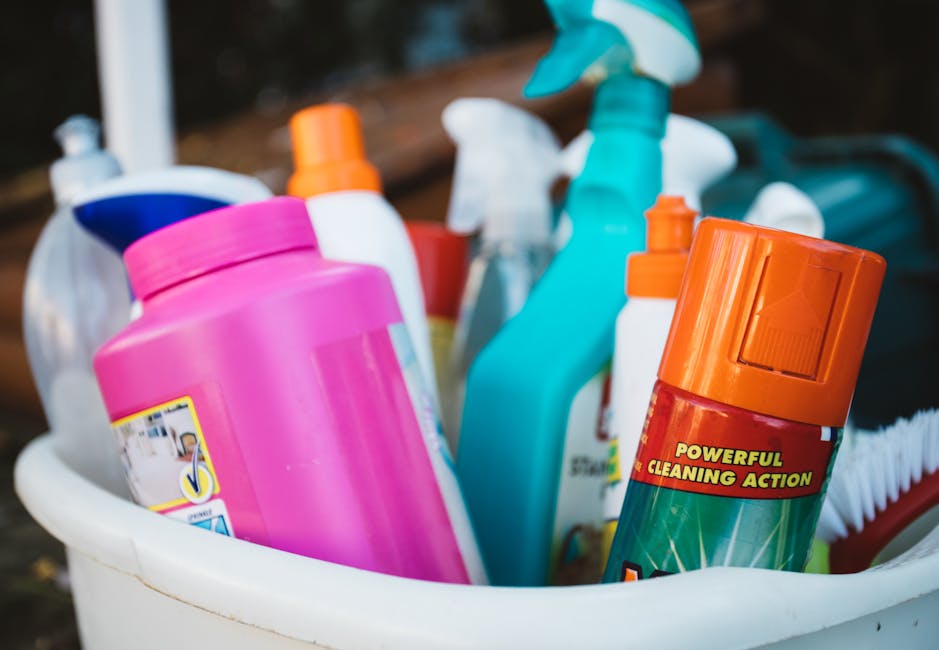
Why Broadwater Farm deep cleaning tips for local landlords Matters
Deep cleaning matters because rental property is not judged on intent; it is judged on what a tenant sees, smells, and touches the moment they walk in. In Broadwater Farm, that first impression can be especially important. Many lets here are lived-in, practical homes rather than show properties, so a landlord needs a cleaning routine that handles real wear rather than just surface sparkle.
The basics are straightforward. Deep cleaning helps remove the grime that regular weekly cleaning leaves behind: grease around cooker hoods, limescale in shower heads, dust in extractor covers, staining at skirting level, and the sort of hidden dirt that lives under radiators or behind appliances. Ignore those areas and the property starts to feel older than it is.
There is also a financial angle. A well-cleaned property is easier to market, easier to inspect, and usually easier to return to a rentable condition after a tenancy. That does not mean every clean needs to be immaculate-from-the-planet levels of perfection. It means the property should feel hygienic, cared for, and ready. A clean that looks rushed can trigger disputes, particularly around deposits or re-letting delays.
For landlords working across Haringey, it can help to understand the local property context too. The broader market notes in your Haringey property investment guide and the practical insight in the Haringey property buying guide are useful reminders that presentation and upkeep both matter when protecting a long-term asset. Cleaning is not the whole story, but it is a big part of it.
Key takeaway: A landlord deep clean is not just a tidy-up. It is a reset point that protects condition, improves tenant experience, and reduces avoidable friction at the handover stage.
How Broadwater Farm deep cleaning tips for local landlords Works
Deep cleaning works best when you treat the property as a set of zones rather than one big job. That sounds obvious, but people often start randomly and end up moving dirt around. A proper approach starts high, works downward, and finishes with the surfaces people actually live with: floors, handles, switches, taps, and seating.
For landlords, the process normally starts with a condition check. Walk through every room and note what needs more than a standard clean. Is there grease in the kitchen corners? Is the bathroom silicone stained? Are carpets carrying a smell from pets, smoking, or months of everyday life? These details help you decide whether you need a light refresh or something much more thorough.
Then comes the actual work. In most properties, the order goes something like this:
- Remove loose debris and rubbish.
- Dust high-level fixtures, corners, shelves, and light fittings.
- Tackle kitchens and bathrooms with the correct products.
- Clean internal glass, frames, doors, handles, and switches.
- Vacuum and wash floors after the dust has been removed.
- Finish with smell control, ventilation, and a final inspection.
That sequence matters because cleaning product residue, dust, and steam all interact. If you mop before dusting the top of cabinets, you are going to mop again. Not ideal, and a bit maddening really.
In practice, landlords often split the task between day-to-day upkeep and periodic deep work. A steady domestic-style clean keeps a property presentable, while a deeper pass before new tenants arrive clears the build-up that regular wiping misses. If that division is useful to you, the difference between domestic cleaning, house cleaning, and one-off cleaning can help you plan the right level of support for each turn-around.
Key Benefits and Practical Advantages
A landlord-focused deep clean is not just about appearances, though that is part of it. The real benefits are more practical.
- Fewer complaints at move-in: A clean property feels cared for and reduces immediate tenant pushback.
- Better preservation of fixtures: Grease, limescale, and damp are easier to manage before they become permanent damage.
- Improved letting photos: Clean kitchens, bathrooms, and flooring make online listings look much more appealing.
- Quicker re-let readiness: A systematic clean shortens the gap between tenancies.
- Lower stress during inspections: When hidden dirt is dealt with properly, you are not playing catch-up later.
There is also a small but meaningful human benefit. A fresh, properly cleaned property tends to start the next tenancy on a calmer note. People notice the smell of a room before they can explain it. They notice shiny taps, a clean sink waste, or a bathroom that does not feel stuffy. Those details set the tone.
For landlords who manage furnished lets, the value is even clearer. Upholstery, carpets, and soft furnishings collect odours and dust quickly. A comprehensive clean paired with carpet cleaning in Haringey and, where needed, upholstery cleaning can make the whole property feel significantly newer without any building work at all. That is a nice result for a relatively modest intervention.
Who This Is For and When It Makes Sense
This guide is for local landlords, private investors, and anyone letting a flat or house in or near Broadwater Farm. It is especially useful if you manage properties yourself and want a clearer process before tenants move in or out.
It makes sense to carry out a deep clean when:
- you are preparing for new tenants after a tenancy ends;
- a property has been empty for a while;
- there has been heavy use in kitchens, bathrooms, or communal areas;
- there is lingering odour from cooking, smoke, pets, or damp;
- you have just completed minor repairs and need the property reset;
- you are taking photos for a fresh listing;
- you want to protect a deposit discussion with clear evidence of condition.
Some landlords also use deep cleaning as part of a maintenance rhythm, especially in tenancies that change over faster than expected. You do not need to wait until things look grim. In fact, waiting until everything looks grim is usually the expensive route.
It is also worth separating landlord deep cleaning from regular housekeeping. A tenant may keep a home tidy, but a landlord deep clean goes after the stuff hidden around the edges: under appliances, behind toilet pans, inside cupboard lips, and in the parts of the property that are easy to ignore until someone new opens the door.
Step-by-Step Guidance
Below is a sensible landlord deep-clean sequence you can adapt to the size and condition of the property. It is not fancy. It just works.
1. Do a room-by-room assessment first
Walk the property before you clean. Look for limescale, staining, worn grout, grease, dust build-up, mould-prone corners, broken seals, and soft furnishings that may need specialist care. If you skip the inspection, you end up guessing. Guessing wastes time.
2. Declutter and remove loose items
Bag up rubbish, old tenant items, broken hangers, stray packaging, and anything else that is not part of the let. It is much easier to deep clean once surfaces are clear. This is also the moment to note any items that should be replaced rather than cleaned.
3. Start with the highest surfaces
Dust top shelves, curtain rails, light shades, extractor covers, and the tops of kitchen cabinets. Work downward so dust does not settle on areas you have already finished. This one habit alone saves a lot of double work.
4. Tackle the kitchen properly
The kitchen is usually the most labour-heavy room. Clean the hob, oven exterior, splashbacks, cupboard fronts, sink, taps, bins, appliance handles, and inside corners where grease hides. Move appliances if it is safe to do so. You will often find crumbs, old spills, and that odd sticky patch nobody admits to.
If the oven is badly burnt on or the flooring needs more than surface care, it may be better to combine general cleaning with a specialist service rather than trying to force one product to do everything. That is where a methodical approach beats a heroic one.
5. Deep clean bathrooms with patience
Bathrooms reward patience. Descale taps, shower screens, and heads. Scrub grout lines, toilet bases, tile edges, and the sealant around baths and sinks. Pay attention to ventilation grilles and areas around the toilet where splash marks collect. If there is mildew, deal with the cause too, not just the stain. Otherwise it returns, usually with a grin.
6. Clean all touchpoints
Landlords often miss the obvious touchpoints: door handles, light switches, banisters, cupboard pulls, intercom buttons, thermostat covers, and window latches. These are small details, but they shape the feeling of cleanliness more than people expect.
7. Refresh floors and soft furnishings
Vacuum edges, under furniture, and along skirting. Then mop hard floors or schedule a proper carpet treatment where needed. If the property has textile surfaces that have absorbed smells or stains, consider a focused clean rather than just a surface spray. In the right property, that little bit of extra effort changes everything.
8. Finish with air, light, and inspection
Open windows where possible, check that surfaces are dry, and review each room under normal light. A property can look spotless under one angle and patchy under another. Walk it again. You will spot things the first time missed, almost every time.
Expert Tips for Better Results
The best Broadwater Farm deep cleaning tips for local landlords usually come down to consistency rather than clever tricks. Still, a few habits make a real difference.
- Use the right product for the job. Multipurpose cleaners are fine for many surfaces, but not for everything. Taps, glass, ovens, and upholstery each need different handling.
- Allow dwell time. Let cleaners sit where appropriate so they can break down grease or limescale before you scrub.
- Protect delicate finishes. Test in a small area first. Some older fittings, laminates, and painted trims can mark easily.
- Work from dry to wet. Dust and loose dirt should go first, otherwise you create streaks and sludge.
- Ventilate during and after cleaning. Especially in bathrooms and kitchens, airflow helps remove that heavy cleaned-but-not-fresh smell.
Another useful tip: keep a simple landlord cleaning pack on hand in each property turnover cycle. Include microfibre cloths, gloves, a decent limescale remover, a mild degreaser, a carpet spot treatment, and replacement bulbs or batteries. Nothing dramatic. Just the basics so you are not running out for a sponge at 8:30 on a wet Tuesday.
For periodic upkeep, some landlords benefit from a planned refresh such as spring cleaning or a broader house cleaning service when a property needs more than a quick tidy but not a full renovation-level intervention. It is a practical middle ground.

Common Mistakes to Avoid
Most landlord cleaning problems are preventable. The trouble is, the same mistakes keep showing up.
- Cleaning around, not into, the problem. Surface wipe only? The dirt stays in the corners.
- Forgetting hidden areas. Behind radiators, under appliances, on top of doors, and inside extractor vents all matter.
- Using too much product. More cleaner does not mean better cleaning. Sometimes it just means sticky residue.
- Ignoring odour sources. A property can look clean but still smell damp, greasy, or stale.
- Mixing tasks without a plan. This causes rework and missed spots.
- Leaving repairs until after cleaning. If you clean first and then carry out remedial work, you may just create new mess.
One common landlord habit is to trust that a quick vacuum and a bleach wipe will cover everything. It won't. Not in a used rental, and definitely not where kitchens and bathrooms have taken the brunt of daily life. To be fair, nobody wants to scrub behind a cooker for fun, but that is often where the real difference sits.
If you are unsure whether the property needs a deep reset or a more focused end-of-tenancy clean, look at the condition honestly. The end of tenancy cleaning option is usually the better fit where you want the property fully handed back in a presentable state for new occupants.
Tools, Resources and Recommendations
Landlords do not need a warehouse full of equipment. But a few good tools make the job cleaner, faster, and less frustrating.
| Tool or resource | Best use | Why it helps |
|---|---|---|
| Microfibre cloths | General wiping, dusting, polishing | They lift dirt well and reduce streaks |
| Vacuum with attachments | Edges, upholstery, corners, vents | Useful for awkward spaces and dust build-up |
| Limescale remover | Bathrooms, taps, shower glass | Deals with hard-water residue more effectively |
| Mild degreaser | Ovens, hobs, splashbacks, cupboard fronts | Breaks down kitchen buildup without harsh scrubbing |
| Steam or hot-water extraction | Selected carpets and upholstery | Helps with odours and embedded dirt, when appropriate |
| Inspection checklist | Pre- and post-clean checks | Reduces missed areas and helps with records |
For landlords who prefer to bring in support rather than handle everything alone, it helps to compare the broader service options carefully. A property with tired carpets may need a dedicated carpet treatment. A furnished flat with worn seating may benefit from upholstery care. A smaller turnover may only need a targeted one-off cleaning. There is no single answer for every let, which is honestly a relief because properties are messy, varied little creatures.
If you want to understand how service levels fit together, the deep cleaning page and carpet cleaning information can be useful reference points before you request anything more specific.
Law, Compliance, Standards, or Best Practice
For landlords, cleaning is not usually the most legally complicated part of property management, but it still sits inside a wider duty of care. In practical terms, you should keep the property safe, reasonably hygienic, and presented in a condition that matches what you promised. That includes dealing with obvious hazards, damp, mould-prone areas, and anything that could become a dispute at the end of a tenancy.
Best practice in the UK rental market usually includes:
- keeping clear records of the property condition before and after cleaning;
- using cleaning products safely and following their instructions;
- allowing adequate ventilation after strong chemical use;
- making sure any specialist work is carried out by competent people;
- staying consistent with your tenancy agreement and inventory process.
If cleaners or contractors are brought in, it is sensible to understand their safety standards and working practices too. Pages such as health and safety guidance, insurance and safety information, and terms and conditions help show how a professional service approaches responsibility and expectations.
There is also a trust angle here. Landlords do well when they choose cleaners who can explain their process clearly, handle complaints properly, and work with realistic expectations. Those are boring topics until something goes wrong. Then they matter a lot.
Options, Methods, or Comparison Table
Not every property needs the same level of intervention. Here is a simple comparison to help you choose the right approach.
| Approach | Best for | Strengths | Limitations |
|---|---|---|---|
| Routine cleaning | Occupied properties with light daily wear | Keeps the property presentable | Will not deal with heavy build-up |
| Landlord deep clean | Turnovers, vacant lets, post-occupancy refreshes | Targets hidden grime, smell, and neglected areas | Takes more planning and effort |
| End-of-tenancy clean | Move-out and move-in periods | Good for handover readiness and inspection confidence | May need add-ons for carpets or upholstery |
| Specialist add-on cleaning | Stained carpets, worn soft furnishings, heavy kitchen use | Handles problem surfaces more effectively | Usually works best alongside a broader clean |
If the property is part furnished or heavily lived in, a combination approach is often best. For example, a landlord might use a deep clean for the general reset, then add upholstery work for sofas and chairs, plus carpet treatment in the busiest rooms. That layered approach often looks and smells better than trying to do everything with one generic clean.
Case Study or Real-World Example
Here is a very typical Broadwater Farm scenario. A landlord receives notice from a long-standing tenant in a two-bedroom flat. The property has been cared for reasonably well, but the kitchen has built up grease, the bathroom has some scale, and the living room carpet carries a faint stale odour from winter use. Nothing dramatic. Just normal wear, really.
Instead of rushing in with random products, the landlord does a walkthrough and divides the job into zones. Kitchen first. Bathroom second. Soft furnishings third. Floors last. They move the fridge carefully, clean behind it, clear the oven edges, descale taps, vacuum the corners, and finish by airing the flat for an hour. The carpet gets a proper treatment rather than a quick deodoriser spray, because the smell is in the fibres, not floating in the air like a ghost with a budget.
The result is not showroom perfect. That is not the point. It is clean, fresh, and ready for viewing. The next set of photos looks brighter. The property is easier to let. And, crucially, the landlord has a record of what was done and when.
That is the real win: not perfection, but control. A calm, organised turnover beats a frantic one every time.
Practical Checklist
Use this checklist before, during, and after a landlord deep clean in Broadwater Farm.
- Inspect the whole property room by room.
- Remove rubbish, abandoned items, and clutter.
- Dust high points before touching floors.
- Clean kitchen grease, extractor covers, and appliance exteriors.
- Descale taps, shower screens, and bathroom fixtures.
- Wipe switches, handles, banisters, and other touchpoints.
- Vacuum edges, under furniture, and along skirting.
- Check carpets and upholstery for stains or odours.
- Ventilate rooms after cleaning.
- Do a final walkthrough in normal light.
- Record anything that still needs repair or replacement.
If you are managing multiple properties, keep this list consistent. It sounds basic, but consistency is what stops standards drifting over time.
Conclusion
Broadwater Farm landlords do best when cleaning is treated as part of property management, not as an afterthought. A careful deep clean protects condition, improves the move-in experience, and helps you stay ahead of small problems before they become expensive ones. Most of all, it gives the property a proper reset between tenants, which is often exactly what is needed.
There is no magic trick here. Just a sensible process, the right tools, and enough attention to the places people usually ignore. If you keep that in mind, you will make better decisions, spend more wisely, and create a better experience for the next tenant. That's the real aim, after all.
Get a free quote today and see how much you can save.



.jpg)
.jpg)
